Introducing our Dry Eye Clinic
Our Dry Eye Clinic provides thorough assessment and targeted treatment for all forms of dry eye disease. We’re committed to delivering clear explanations, evidence‑based care, and treatment plans tailored to your individual needs. With a range of bespoke therapies available, our aim is to improve your long‑term comfort and support the ongoing health of your eyes.
When we blink we produce a layer of tears which lubricates our eyes so that the lids can glide
smoothly across the cornea. This consists of a watery layer produced by the lacrimal glands and
an oily layer which comes from the meibomian glands along the lid margins.
Dry eye happens when there is a problem with lubrication of the front part of your eye, the ocular
surface. It is usually due to changes in the quantity and/or quality of the tear film which can occur
as we get older or with certain diseases or side effects from medications.

Broadly speaking there are 2 types of dry eye:
* Aqueous deficient dry eye This is where the lacrimal gland is not producing as much of the
watery layer .It can be affected by a variety of factors such as ageing, hormonal changes ,
systemic conditions such as Sjogrens syndrome and certain medications such as antihistamines
and diuretics
* Evaporative dry eye occurs when the meibomian glands do not produce enough oil or the oil is
poor quality leading to an unstable tear film and evaporation of the tears from the eye surface.
A large proportion of dry eye is evaporative but often there is a combination of both aqueous
DED and evaporative DED.
- Gritty eyes
- Foreign body sensation
- Burning
- Itching
- Watery eyes
- Redness
- Variable vision
These symptoms can vary in severity. In severe cases this can be very debilitating and affect
quality of life and even lead to corneal damage and sight loss.
- Ageing
- Hormonal changes/menopause/lower oestrogen and tesosterone
- Inflammatory conditions such as Rheumatoid Arthritis, Sjogren's Syndrome and Diabetes
- Environmental factor such as screen use, air conditioning, central heating.
- Medications such as antidepressants, antihistamines, HRT, contraceptive pill, blood pressure medications, acne medications and bladder medication.
These changes usually occur over a number of years. As the tear film quality or quantity
decreases, the eyelids do not glide as easily across the eye surface, creating friction and
inflammation. This can cause significant redness of the lid margins and blockages of the
meibomian glands, which in turn creates more dry eye. We call this lid inflammation blepharitis.
Our Dry Eye Assessment
During your Dry Eye Assessment, we take the time to understand exactly what’s causing your symptoms. This includes:
- A detailed discussion about your symptoms and lifestyle
- Assessment of your meibomian glands (the oil glands that keep tears stable)
- Measurement of tear quality, quantity, and evaporation
- Screening for inflammation, allergies, or underlying eye conditions
This gives us a complete picture of your ocular surface health, so we can tailor a bespoke treatment plan that actually works for you.
Bespoke Treatment Options
Click on the images to learn more
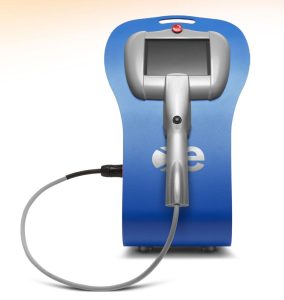
Intense Pulsed Light (IPL)
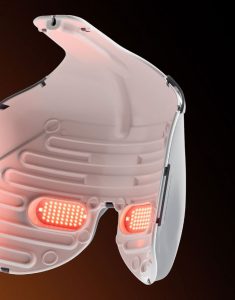
Low-Level Light Therapy (LLLT)
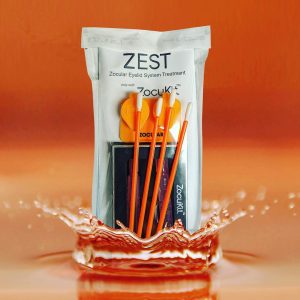
Zest
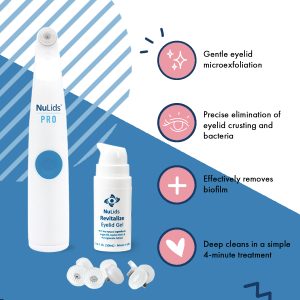
NuLids PRO